Water Damage Restoration Cost: What You'll Actually Pay & Why
Quality 1st Restoration
The short answer
In the Las Vegas Valley, water mitigation (the dry-out) usually costs $1,500 to $4,800. If drywall, baseboards or flooring had to come out, the repairs are a separate estimate that often runs about twice the dry-out. Mold remediation usually starts at $2,500. Those are planning figures from our own jobs, not a quote.
In the Las Vegas Valley, water mitigation, meaning getting the water out and drying the house, usually costs $1,500 to $4,800. For a lot of leaks, that is most of the bill. Repairs only come in when drywall, baseboards or flooring had to come out, and they are priced as a separate estimate. We break those down in our water damage repair cost guide.
Those are planning numbers from our own work, not a quote for your house. Your real price comes from a free on-site estimate.
That’s the short answer. The rest of this page is about why your number lands where it does, and what pushes it up.
How much does water mitigation cost?
Water mitigation usually runs $1,500 to $4,800 on the jobs we do around the Las Vegas Valley. Mitigation is the emergency part: extracting standing water, pulling out what can’t be dried in place, and running air movers and dehumidifiers until moisture readings match the dry parts of the house. A single bathroom or one room of carpet sits near the bottom of that range. Water that spread through several rooms, or got into walls and under flooring, sits near the top.
How much does water damage restoration cost?
Here’s how the money usually breaks down on the jobs we do around Henderson and Las Vegas:
- Dry-out (mitigation): usually $1,500 to $4,800. That covers pulling the water, cutting out what can’t be saved, and running air movers and dehumidifiers until the moisture meter says the structure is dry.
- Rebuild: often about twice the dry-out. A $3,000 dry-out followed by roughly $6,000 of repairs puts the whole job near $9,000.
- Bigger rebuilds: when several rooms need new drywall, flooring and cabinets, the numbers climb. The repair cost breakdown walks through how those jobs add up line by line.
- Mold remediation: usually starts at $2,500 if the water sat long enough to grow it.
- Fire damage: priced on site. Every fire is different enough that a planning range wouldn’t help you.
Where you land inside those ranges comes down to a handful of things: how big the wet area is, the category of water (clean, gray or black), what got wet, and how long it sat before anybody started drying. Carpet pad and particleboard cabinets behave very differently from tile.
A clean supply-line leak caught in one bedroom sits at the bottom of the range. A sewage backup that soaked carpet, pad, drywall and subfloor across half the house is a different job.
Why do restoration companies quote the same price?
We don’t really set the price. It comes out of the same software the insurance company uses, and that’s why three certified outfits will usually give you numbers that land close together.
The program is called Xactimate. Restoration companies and insurance carriers use it all over the country. There are a couple of other web-based programs out there, but Xactimate is the one you’ll run into most. (1) We enter the details of the loss: square footage, how many air movers and dehumidifiers are running, which materials are affected. The program returns pricing based on your area and current rates.
Our planning figures above are simply what those estimates have tended to add up to on our jobs.
So the “let me call around for a better price” instinct doesn’t work the way it does with a used car. If everyone’s pricing from the same platform, the estimates come out roughly the same. The difference between a good restorer and a bad one isn’t the rate sheet. It’s whether they scope the job honestly and actually get it dry.
We don't set the price. Xactimate does. It's the same web-based estimating platform your insurance carrier uses, tied to your ZIP code and current material and labor rates. When we hand you a line-item estimate, we're reading the software's numbers back to you, not marking them up.
What is Xactimate?
Xactimate is a web-based estimating platform built for property claims. It holds regularly updated pricing for materials, equipment and labor down to the local level, and it produces a line-item estimate, with every piece of the job broken out and priced on its own line. (1)
Carriers and restoration companies both work inside that same system, so everybody is reading from the same book. When your adjuster reviews our estimate, they’re looking at line items from the tool their own company relies on. That shared language keeps things moving.
"Xactimate is the industry's most powerful and comprehensive solution for property claims estimation, trusted by the top restoration companies and insurance carriers."
Verisk, maker of Xactimate (1)Does insurance pay for water damage restoration?
Often, yes. A standard homeowners policy generally covers water damage that’s sudden and accidental, like a supply line that lets go or a washer hose that bursts. What it typically won’t cover is damage from slow leaks, skipped maintenance or outdoor flooding, which needs separate flood coverage. (2)
When there is coverage, you pay your deductible, and your carrier decides what it pays on the rest of the estimate. We can’t promise what they’ll approve. What we can do is document everything: photos, moisture readings and a line-item Xactimate estimate, so the adjuster has what they need.
For a fuller look at what’s covered and what trips people up, read what most homeowners get wrong about water damage and insurance. Our insurance claim assistance page explains how we send that documentation to your carrier.
No insurance, or the cause isn’t covered? We offer a self-pay discount when you’re paying out of pocket. Ask about it during the free estimate. You’ll see the price before we start.
What makes water damage restoration cost more?
The biggest thing that drives a bill up is waiting.
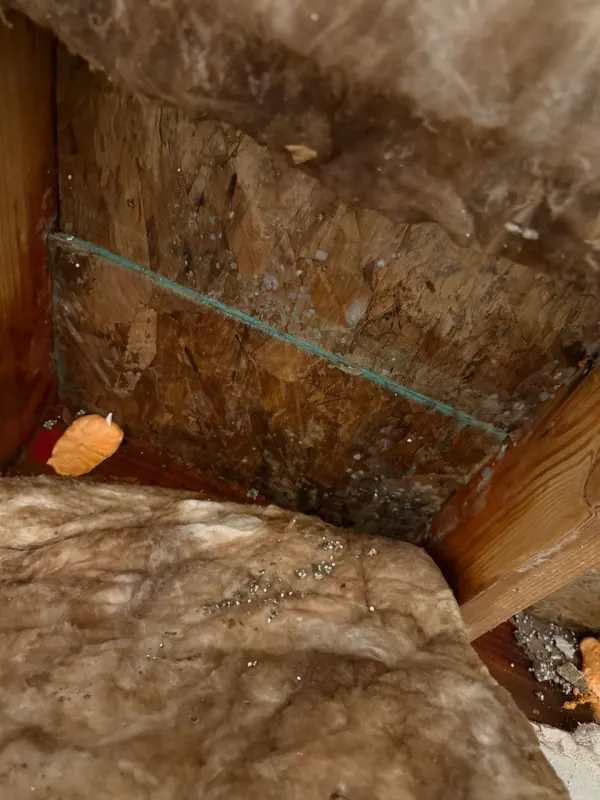
We see it all the time. Water sits, the homeowner holds off until an adjuster comes out before touching anything, and meanwhile the damage spreads. Carpet pad wicks water up into the walls. Drywall stays wet long enough to grow mold. A clean Category 1 leak turns into contaminated gray or black water.
That’s all secondary damage, meaning harm that happened after the first event because nobody dealt with the water. Insurance companies generally won’t pay for secondary damage you could have prevented.
We’re not being harsh here. It’s how policies are written. As the homeowner you’re expected to mitigate your losses, which just means taking reasonable steps so it doesn’t get worse. Fast emergency water extraction and proper structural drying keep a small, covered loss from turning into a big one that’s only partly covered.
It sounds backwards, but the cheapest path is usually to act fast, not to shop slowly. Every hour the water sits, you’re risking work the software will happily price and your policy may not pay for.
To see the whole process, start at our water damage restoration hub for Henderson and the Las Vegas Valley, or read how to choose a water damage restoration company before you hand anyone a key. If the water is on the floor right now, call the water damage cleanup and repair crew first.
Call or text Quality 1st Restoration at 888-453-3591, any hour. We’ll walk you through the first steps and come out for a free estimate.
References
- Verisk, "Xactimate," property claims estimating platform. https://www.verisk.com/products/xactimate/
- Insurance Information Institute, "Water Damage: What's Covered; What's Not." https://www.iii.org/press-release/water-damage-whats-covered-whats-not-111809
Water still spreading? Every hour it sits, the repair gets bigger.
Quality 1st Restoration answers 24 / 7 / 365 across Henderson and the Las Vegas Valley.
888-453-3591