Types of Mold in Las Vegas Homes: What the Colors Mean for Health and Cleanup
Quality 1st Restoration
The short answer
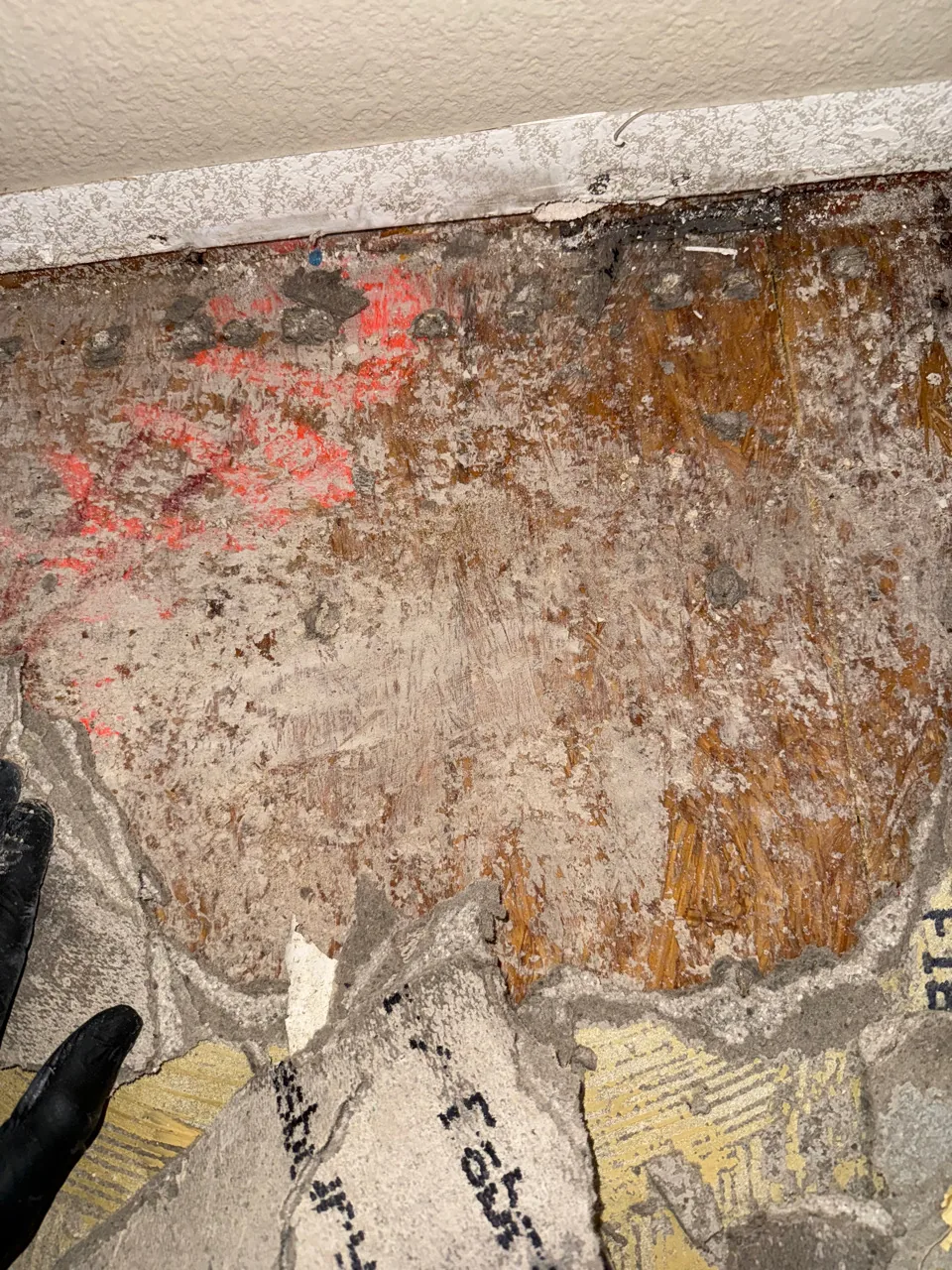
Las Vegas homes get the same molds found indoors everywhere. The CDC lists Cladosporium, Penicillium and Aspergillus among the most common. Alternaria drifts in from outdoors, and Stachybotrys chartarum shows up on drywall paper or wood that has stayed wet a long time. There's no special desert species, and color won't tell you which one you have. Fix the moisture first, then clean or remove the growth.
The molds in Las Vegas homes are the same ones found indoors everywhere. The CDC lists Cladosporium and Penicillium among the most common indoor molds, along with Aspergillus. Alternaria comes in from outside, and Stachybotrys chartarum grows on drywall paper and wood that stay wet for a long stretch. There isn’t a special desert species. The local part is the water source: an AC closet, a sink base, a wall the sprinklers hit, a roofline after a monsoon storm. That decides where the mold shows up.
You can’t tell which one you have by looking. So the useful questions aren’t about color. They’re where did the water come from, how far did it travel, and what has to be cleaned or taken out?
Whether mold can grow here at all, given the dry air, is a separate question. We answer it in can mold grow in Las Vegas.
Common types of mold found in homes
The CDC identifies Cladosporium, Penicillium and Aspergillus among the most common indoor molds. (1) A Henderson or Summerlin house has the same general groups as a house anywhere else.
| Mold name | Where it is discussed | What a visual inspection cannot prove |
|---|---|---|
| Cladosporium | Common indoors and outdoors; grows on damp surfaces. | Color alone cannot confirm the genus. |
| Penicillium | Common indoor mold tied to damp porous materials. | A photo cannot establish exposure or health risk. |
| Aspergillus | Common in indoor and outdoor environments. | Most people do not become ill, but risk varies by health status. |
| Alternaria | Outdoor mold that gets into buildings and settles indoors. | Its presence does not identify the water source. |
| Stachybotrys chartarum | Associated with persistently wet cellulose-rich materials. | “Black mold” is not a species diagnosis or a toxicity test. |
Treat these names as background, not a diagnosis from a phone photo or a colored spot on drywall. The only reliable way to know what’s there is a qualified assessor with a sampling plan, and that’s worth doing only when the answer changes what happens next. With visible growth, cleaning and fixing the moisture usually matter more than naming the species.
Where mold shows up in Las Vegas homes
Mold grows where water sits and air doesn’t move. In valley homes, that tends to be the same handful of places:
- Under sinks, where a weeping supply line wets the particleboard cabinet floor for weeks
- Behind toilets, where a failed wax seal soaks the subfloor and the bottom of the drywall
- In the AC closet, when a clogged condensate line or wet drain pan keeps things damp
- Behind the water heater, in the garage or a closet
- Around windows and the roofline after a monsoon storm drives rain past a tired seal
- On walls a sprinkler hits every morning
- Under vinyl plank or carpet pad on the slab, long after the surface looks dry
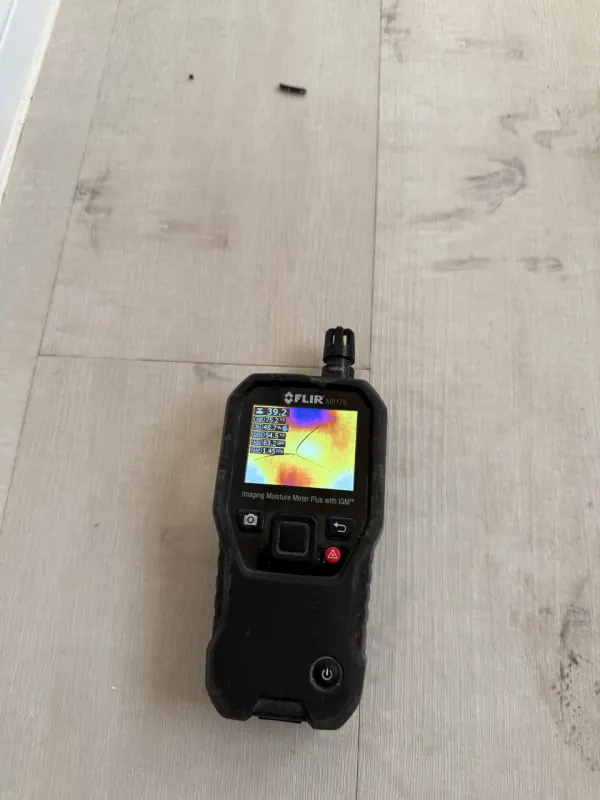
The spot you see is usually smaller than the wet area. A professional mold inspection pairs a visual check with moisture readings and humidity checks, and opens a small section of wall when it’s needed.
Mold color is not a safety rating
“Black” isn’t a scientific category of household mold. Dark growth belongs to a number of different groups. Pale growth can still damage materials and affect indoor air. The EPA explains that molds come in many colors and that no mold grows without water or moisture. (2)
Don’t use color to decide a patch is harmless. Don’t use it to decide a patch is toxic, either. The next step is the same whatever it looks like: get the moisture under control, then figure out whether the material can be cleaned or has to come out.
What mold can do inside a Las Vegas home
Mold grows when spores land on something wet. Drywall paper, wood, carpet pad and even household dust all feed it.
The CDC says damp, moldy environments cause a range of effects in some people and none in others. Reported effects include a stuffy nose or sore throat, coughing, wheezing, burning eyes and itchy skin. People with asthma or mold allergies can react more strongly, and people with chronic lung disease or weakened immune systems can face extra risk. (1)
That’s why we don’t promise a medical outcome. Our work is on the building: the moisture source and the affected materials, containment, cleaning or removal, and drying. If someone has ongoing breathing problems or other symptoms that worry you, see a doctor.
If mold dries out, is it gone?
No. Drying stops active growth. It doesn’t remove the growth, its fragments or its spores. If a Henderson wall cavity or cabinet base gets wet again, what’s left can start growing again.
The EPA says spores don’t grow without moisture, and also that a mold problem comes back when the water problem isn’t fixed. (2) “The room feels dry” isn’t the same as “the affected materials are clean and dry.”
If the mold followed a leak, tie the mold inspection to water damage restoration in Henderson so the moisture path and the repair scope get handled together.
What professional mold cleanup involves
The ANSI/IICRC S520 Standard for Professional Mold Remediation covers everything from inspection and containment to HVAC work, contents and post-remediation verification. (3) A practical cleanup plan commonly includes:
- Locate and correct the moisture source.
- Define the affected area and protect the people and materials nearby.
- Contain the work area when the scope requires it.
- Remove porous materials that can’t be cleaned and dried.
- Clean salvageable surfaces with methods that suit the material.
- Dry the structure and verify the moisture condition.
- Handle HVAC or contents when the affected area reaches them.
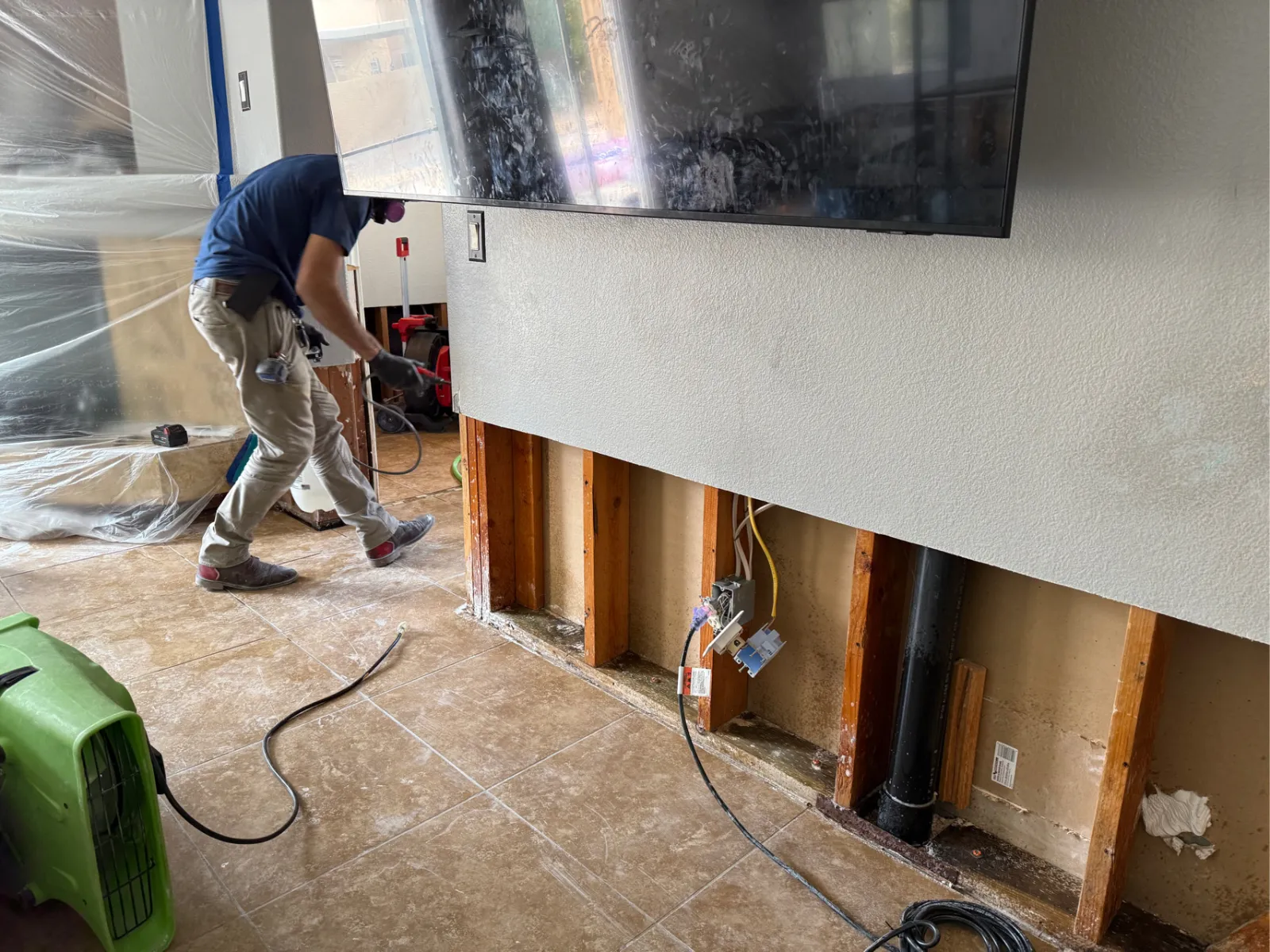
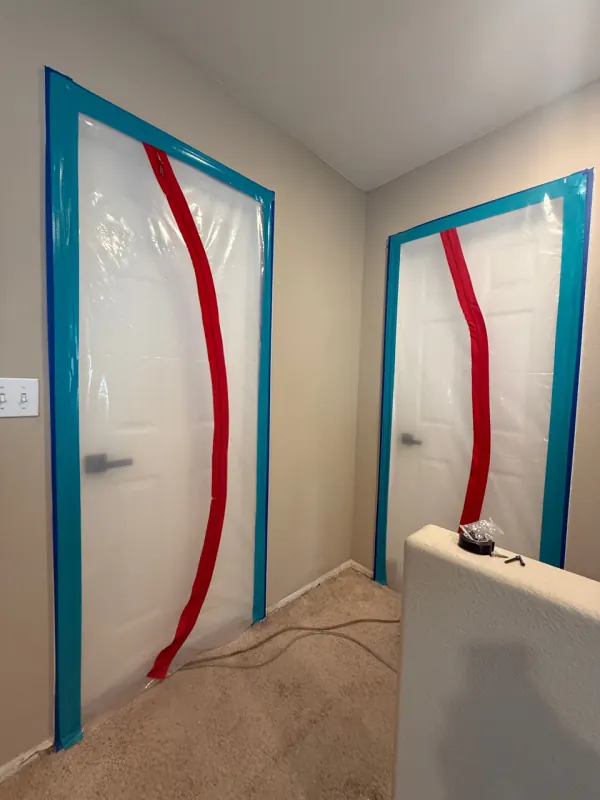
Cleaning visible growth without fixing the leak only does half the job, and painting over it isn’t remediation at all. A small surface spot can have a narrow scope. Hidden growth or repeat moisture, HVAC involvement or contaminated water calls for a more careful plan. Our Las Vegas mold remediation service explains the process and the options that go with it. Mold jobs start around $2,500, and the on-site estimate is free.
What to do after finding mold in Henderson or Las Vegas
Stop the water if it’s safe to. The leak itself is a plumber’s or HVAC tech’s repair. Keep kids and pets away from the area, along with anyone who has breathing trouble. Don’t sand, scrape or open a wall without a plan. Take photos, note when the moisture started, and get an inspection if the growth is hidden, spreading or keeps coming back.
Quality 1st Restoration serves Henderson and the Las Vegas Valley with mold inspection and moisture mapping, water-damage mold removal, and post-mold HVAC decontamination. If you see growth or keep smelling something musty, start with the source and the materials instead of guessing from color. If you’re trying to decide whether a spot is a weekend DIY job or needs a crew, mold removal in Las Vegas breaks down the size and moisture criteria that make that call.
References
- Centers for Disease Control and Prevention, “Mold.” Common molds and health overview.
- U.S. Environmental Protection Agency, “A Brief Guide to Mold, Moisture and Your Home,” and “How do I get rid of mold?” Mold and moisture guidance; Cleanup guidance.
- ANSI/IICRC, “Standards for Professional Water Damage Restoration and Mold Remediation.” IICRC standards overview.
Seeing mold or tracking down a musty odor? Start with the moisture source.
Quality 1st evaluates mold and hidden moisture across Las Vegas, Henderson, and the surrounding valley.
888-453-3591