Water Damage · Answered
What Is the Proper Mitigation Process for Category 2 Water Damage? A Henderson Homeowner's Guide
Quality 1st Restoration
The short answer
Category 2 water contains notable amounts of biological or chemical contaminants — the industry calls it gray water. Proper mitigation follows a set order: inspection and assessment, containment and safety, water extraction, removal of contaminated materials, antimicrobial treatment and cleaning, structural drying, then documentation and clearance. Every step matters. Skip one and the job gets messy fast.
What Category 2 Water Damage Means
If you’re asking “what is the proper mitigation process for category 2 water damage?” you need to know what you’re dealing with first. Not all water damage is the same. The IICRC S500 standard breaks water damage into three categories based on contamination level. Category 2 sits in the middle. It’s worse than clean water. It isn’t sewage.
Category 2 water contains notable amounts of biological or chemical contaminants. The industry calls it “gray water.” Direct contact or ingestion can cause discomfort or illness. Think about water backing up from a washing machine drain. Or an overflow from a dishwasher mid-cycle. That’s category 2.
Common Sources in Henderson Homes
We see certain sources over and over in Henderson. Here are the ones that show up most:
- Washing machine supply line failures or drain overflows
- Dishwasher leaks that pool under cabinets for hours
- Toilet overflows that contain urine but no fecal matter
- HVAC condensate line backups, especially during our brutal summer months
- Sump pump failures that allow groundwater intrusion
That last one catches people off guard. Groundwater in the Green Valley or Anthem areas can carry dissolved minerals and soil bacteria (we see it after hard rain or irrigation issues). It’s not clean water. It’s not sewage. It’s category 2.
Why the Category Matters So Much
Here’s what most people don’t realize until it’s too late. Category 2 water doesn’t stay category 2 forever. The IICRC states that gray water left untreated for 48 hours or more can escalate to category 3. That means it reaches the same contamination level as raw sewage. The clock starts the moment water hits your floor.
And Henderson’s desert heat speeds things up.
Indoor temperatures in a home without running AC can hit 90 degrees fast. Bacteria multiply rapidly in warm, wet environments. A dishwasher leak on a Tuesday afternoon could become a category 3 situation by Thursday morning if nobody catches it. We’ve walked into homes near Water Street where a small appliance leak turned into a full microbial nightmare in under 36 hours.
How It Differs from Category 1 and Category 3
Category 1 is clean water. A broken supply line from your sink, fresh rainwater through a roof leak. You can handle some category 1 situations with basic drying if you act fast. Category 3 is the worst. Raw sewage backups, floodwater from storm drains, standing water with visible contamination. Category 3 requires aggressive removal of porous materials and heavy antimicrobial treatment.
Category 2 falls between those extremes. The water itself carries enough contaminants to require specific protocols. You can’t just set up fans and call it done. But you also don’t necessarily need to gut every wall down to the studs. The right mitigation process depends on how long the water sat, what materials it touched, and how deep it penetrated.
So why does this matter to you? Because the category determines everything about the mitigation process. It dictates which materials can be saved. It determines what antimicrobial agents get used. It affects drying time, equipment placement, and documentation requirements for your insurance claim.
Most people assume all water damage gets the same treatment. That’s wrong. It can lead to under-treating a real health risk or over-demolishing materials that could’ve been restored. Getting the category right from the start saves time, saves money, and protects your family’s health.
The Step-by-Step Mitigation Process
Here’s what happens when a trained crew shows up to handle category 2 water damage. Every step matters. Skip one and the job gets messy fast. our water damage restoration service in Henderson our water damage restoration service in Henderson our water damage restoration service in Henderson our water damage restoration service in Henderson
1. Inspection and Assessment
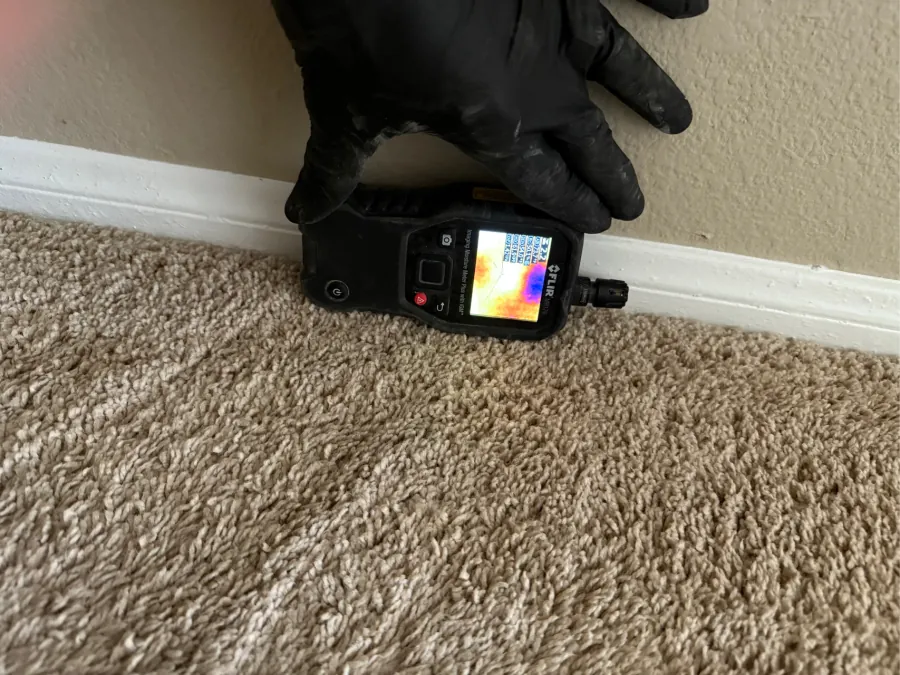
The crew walks the affected area with moisture meters and thermal imaging cameras. We’re mapping exactly where water traveled. It’s not always obvious. Water follows gravity, wicks up drywall, and pools under flooring in spots you’d never guess. In Henderson homes with slab foundations, we often find moisture tracking along baseboards into adjacent rooms.
This first step also confirms the water category. Category 2 gets treated differently than clean water. The protocols are stricter from the start.
2. Containment and Safety
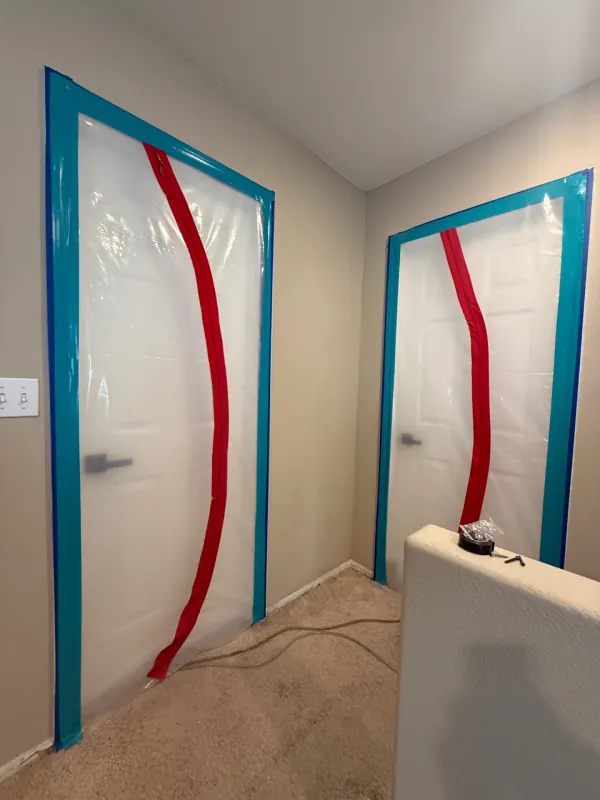
Before anything gets moved or torn out, the affected area needs containment. That means isolating the space so contaminants don’t spread. Plastic sheeting goes up. Air scrubbers get placed. And any HVAC vents in the area get covered or shut down.
Most people don’t realize their AC system can pull contaminated air into every room of the house in minutes.
3. Water Extraction
Standing water comes out fast. Truck-mounted extractors and weighted extraction tools pull water from carpet, pad, and hard surfaces. The goal is removing as much bulk water as possible before drying equipment goes in. Speed matters here. According to the IICRC S500 standard, extraction alone can remove more moisture than a dehumidifier running for days.
We see this step rushed all the time. But thorough extraction is the foundation of everything that follows.
4. Removal of Contaminated Materials
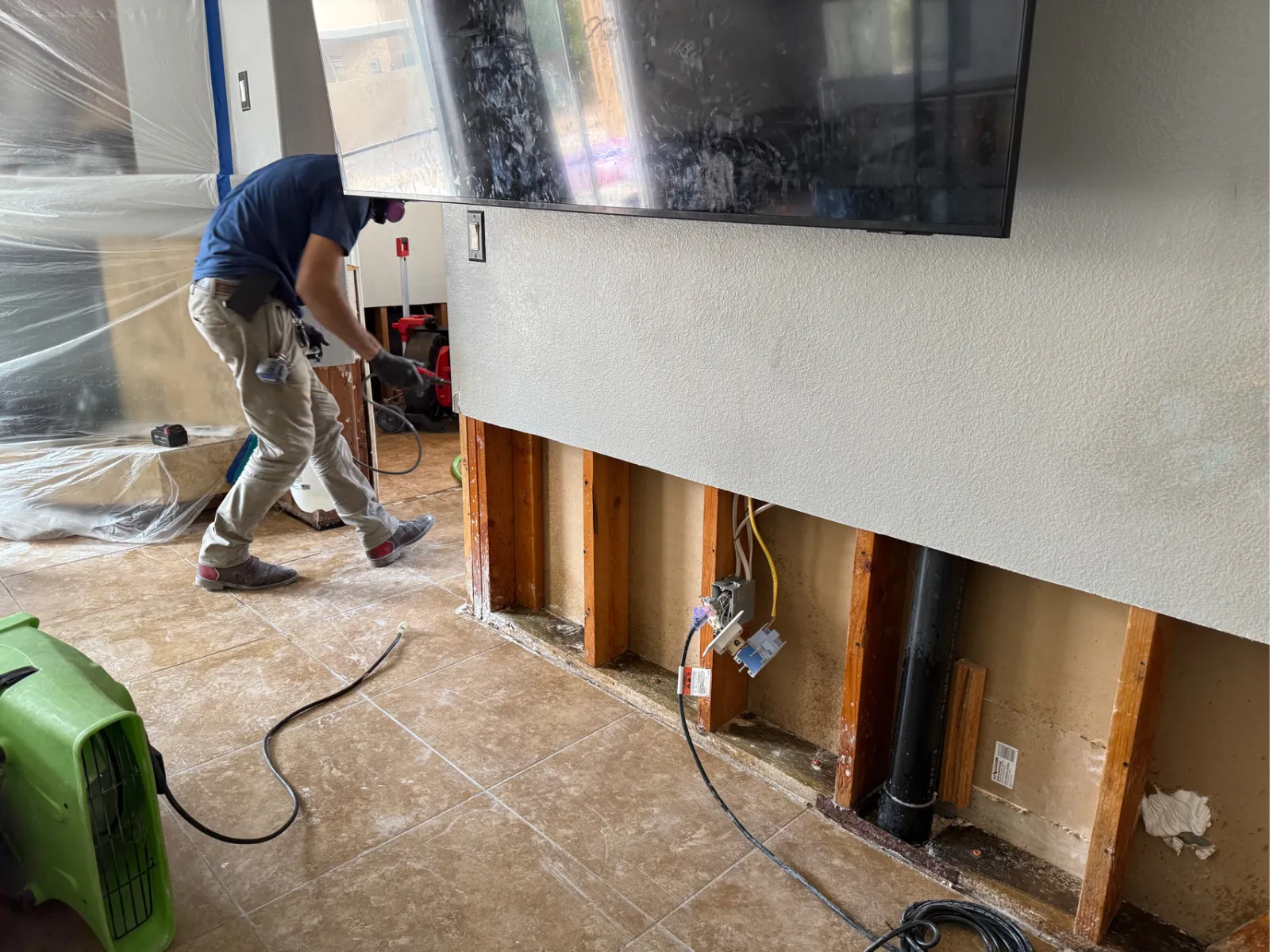
Category 2 water means some materials can’t be saved. Carpet pad almost always gets discarded. Wet drywall below the flood line typically gets cut out 12 to 24 inches above the visible water line. Baseboards come off. Insulation inside wall cavities gets pulled.
Materials that get removed during category 2 mitigation usually include:
- Carpet padding and any unsalvageable carpet sections
- Lower portions of drywall and wet insulation
- Damaged baseboards, trim, and toe kicks
- Particleboard shelving or cabinetry that absorbed water
Solid wood framing and subfloor can often be dried and treated. Porous materials that soaked up gray water are a different story. They hold bacteria and won’t fully decontaminate.
5. Antimicrobial Treatment and Cleaning
Every exposed surface gets treated with an EPA-registered antimicrobial agent. Framing, subfloor, concrete slab. All of it. This isn’t a quick spray. The solution needs proper dwell time to kill bacteria and prevent mold colonization. In Henderson’s dry heat, people assume mold won’t grow. But inside a closed-up wall cavity with residual moisture, conditions are perfect for it.
6. Structural Drying
Commercial air movers and dehumidifiers get placed according to a drying plan. Not random placement. Each piece of equipment targets specific materials and square footage. The crew takes daily moisture readings with pin-type and pinless meters to track progress.
Drying typically takes three to five days. Sometimes longer if wall cavities or multilayer flooring is involved. The job isn’t done until moisture readings hit the dry standard for each material type.
7. Documentation and Clearance
Every reading, every photo, every material removed gets documented. This matters for insurance claims and for your peace of mind. A proper mitigation job ends with a clearance report showing moisture levels returned to normal.
If you’re dealing with category 2 water damage right now, understanding these steps helps you ask the right questions. And if you want a crew that follows this process start to finish, visit our water damage restoration service in Henderson to get help today.
Why Category 2 Water Can Become Category 3
Here’s something most people don’t realize until it’s too late. Category 2 water doesn’t stay Category 2 forever. It degrades fast.
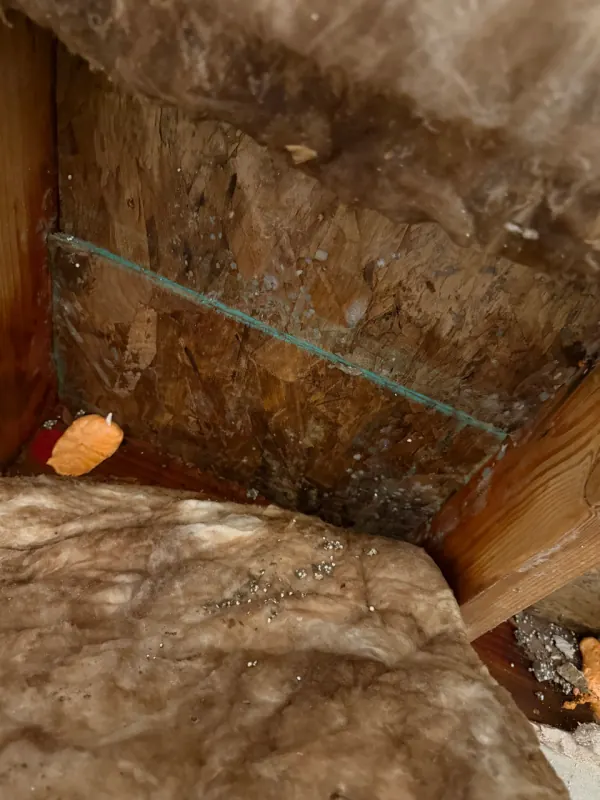
The IICRC S500 standard is clear on this point. Gray water that sits untreated for too long picks up bacteria and pathogens from the materials it contacts. Within about 48 hours, that Category 2 water can reclassify to Category 3. That’s black water. The same classification as raw sewage.
Time Is the Biggest Factor
Think of it like food left on the counter. It’s fine for a little while. It gets questionable after a few hours. By the next day you wouldn’t touch it. Water damage works the same way. The clock starts the moment water hits your floor, your drywall, your carpet pad.
In Henderson, our desert heat speeds this process up. A dishwasher overflow in a Green Valley home during July isn’t the same event as one in January. Summer temperatures inside a closed-up house can push into the 90s. Warm, wet conditions are exactly what bacteria need to multiply. We’ve walked into homes near Anthem where water sat for just 36 hours and our moisture meters showed saturation deep into the subfloor, the smell already turning sour.
That’s Category 3 territory.
Contact With Contaminated Materials
Time isn’t the only trigger. The surfaces water touches matter just as much. Category 2 water flowing across a tile floor stays relatively stable for longer. But that same water soaking into carpet, hitting organic materials like wood framing, or pooling near soil in a crawlspace picks up contaminants quickly.
Common materials that accelerate degradation include:
- Carpet padding and tack strips that trap moisture against the subfloor
- Drywall paper facing, which feeds mold growth within 24 hours
- Unsealed concrete in garages or utility rooms that wicks water and holds bacteria
- Any area with prior mold or pest activity
We see this mistake all the time. A homeowner mops up visible water from a washing machine leak and figures the problem is solved. But the water already wicked behind baseboards and under cabinets. Three days later, there’s a musty smell. By then the cleanup for a simple leak has become a much bigger Category 3 job with demo work, antimicrobial treatment, and potential mold remediation.
Why This Matters for Your Mitigation Plan
The jump from Category 2 to Category 3 changes everything about how the job gets handled. Category 3 requires removing more materials. Porous items like carpet, insulation, and lower drywall sections often can’t be saved. The drying protocol gets more aggressive. PPE requirements go up for the crew, per OSHA flood cleanup safety guidance. And documentation for insurance becomes more involved.
So what does this mean for you? It means speed matters more than anything else. Category 2 water damage mitigation works when extraction and drying start within hours, not days. Every hour of delay increases the risk of reclassification.
If you’re dealing with a water event in Henderson right now, don’t wait to see if it dries on its own. It won’t dry fast enough. And the longer you wait, the more likely you’re looking at a bigger scope of work, more material removal, and a longer timeline to get your home back to normal. Reaching out to a restoration professional quickly is the one thing you can do to keep a Category 2 loss from turning into something worse.
Water still spreading? Every hour it sits, the repair gets bigger.
Quality 1st Restoration answers 24 / 7 / 365 across Henderson and the Las Vegas Valley.
888-453-3591