
Water Damage · Answered
Can You DIY Water Damage Restoration in 2026? What You Need to Know in Henderson
Quality 1st Restoration
The short answer
You need a professional if the water sat longer than 24 hours, touched carpet or drywall, or came from anything other than a clean supply line. Small clean-water spills on tile can often be handled at home. But once water reaches wall cavities or subfloors, a moisture meter is the only real way to check.
Why ‘It Looks Dry’ Isn’t the Same as ‘It Is Dry’
This is the biggest mistake we see in DIY water damage restoration. Someone mops up standing water, runs a fan for a day or two, and calls it done. The floor feels dry. The wall looks fine. Behind that drywall, moisture can still sit there and keep doing damage.
Here’s what most people miss: water moves.
It wicks into drywall through capillary action. It soaks the tack strip under carpet. It pools on top of the vapor barrier in a crawlspace. In Henderson’s desert climate, the surface dries fast. That makes things worse. It tricks you into thinking the problem is solved. (We see this after summer AC issues a lot.)
What’s Really Happening Behind the Wall
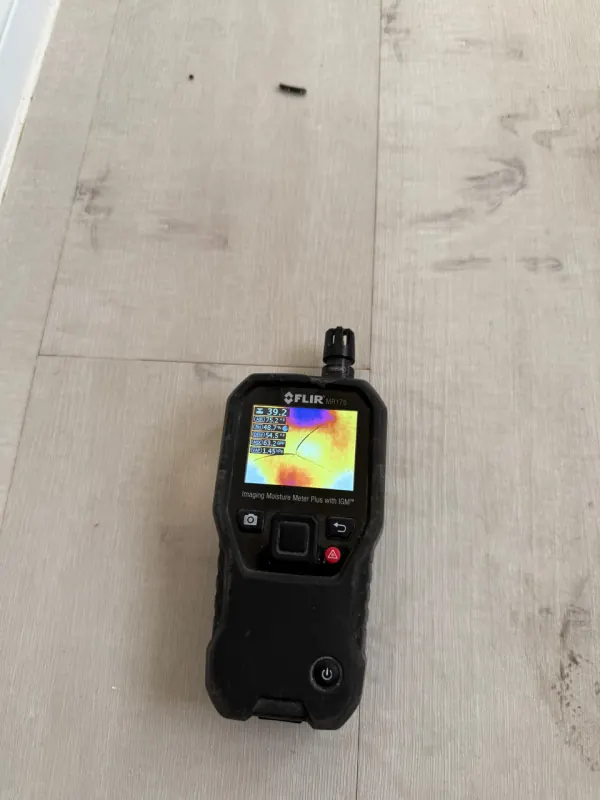
A moisture meter tells the real story. We use pin-type and pinless meters on every job, and the readings behind “dry-looking” walls surprise people all the time. Surface moisture might read at 8 percent. Probe two inches into the cavity, and you may find readings above 20 percent. That’s active moisture. That’s mold territory.
Thermal imaging cameras show the same thing from another angle. Cool spots on a wall point to trapped moisture your eyes can’t see. Without these tools, you’re guessing. Guess wrong, and it costs more than getting it checked. By the way, a hallway wall near a laundry room often hides the first clue.
The 48-Hour Window Matters
Mold can begin colonizing within 24 to 48 hours of water exposure, according to the Environmental Protection Agency. In a Henderson home where summer indoor humidity can spike after a water heater failure or supply line break, that timeline gets tighter. Warm air speeds up microbial growth behind walls and under flooring.
So what does that mean for your DIY effort? If you cleaned up visible water but didn’t verify moisture levels in the structure itself, you may have a hidden problem growing right now.
Here are the spots where trapped moisture hides most often after a DIY cleanup:
- Behind baseboards and inside wall cavities, especially on shared walls between rooms
- Under laminate or vinyl plank flooring where water seeps through seams
- Inside cabinet toe kicks in kitchens and bathrooms
- Around door frames and window sills on ground-floor slab homes common in the Green Valley and Anthem areas
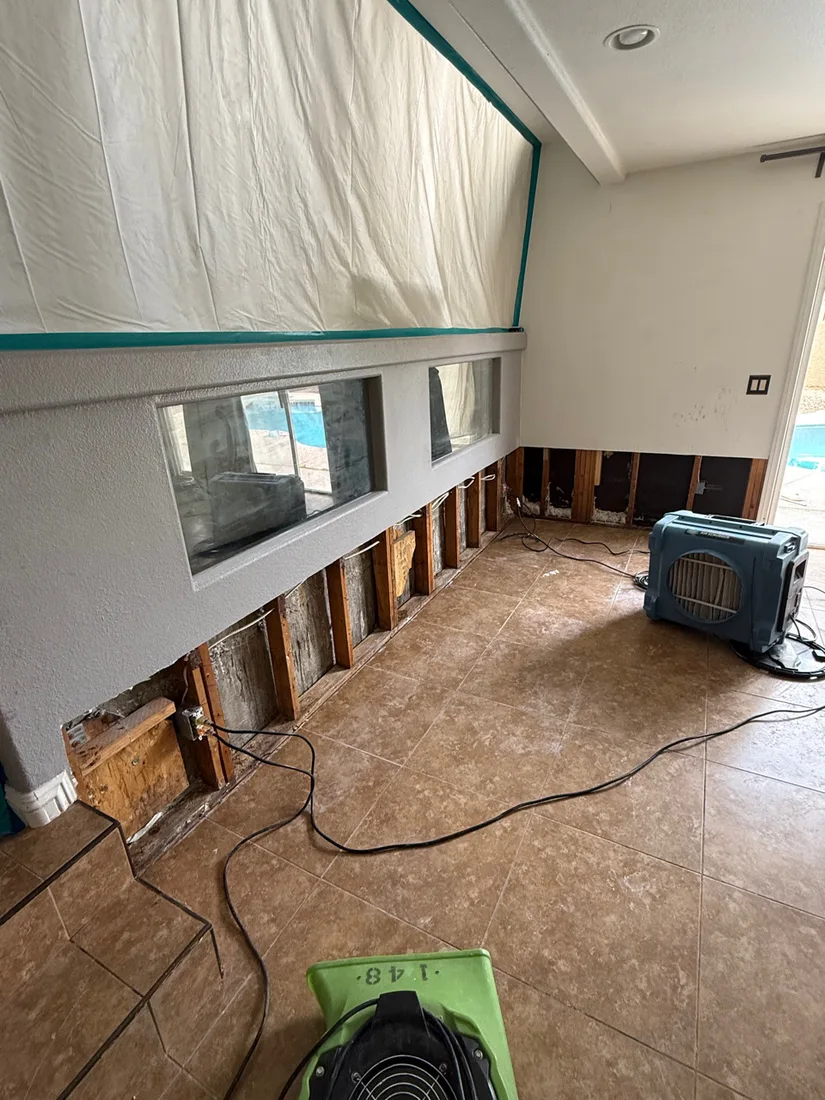
Every one of these spots needs targeted drying equipment to fix. A box fan from the garage won’t cut it. Cleanup also comes with real risks, so it’s smart to review FEMA’s safety tips for flood cleanup.
The Real Cost of “Dry Enough”
We’ve walked into homes three or four months after a water event where the homeowner thought everything was fine. The carpet smelled a little off. A door started sticking. By the time we opened the wall, the damage had spread far beyond the original area. Subfloor delamination, corroded fasteners, visible mold colonies on the back side of drywall.
None of that showed from the living room.
And here’s the part that really stings: insurance adjusters look for documentation. Moisture readings, drying logs, equipment placement records. If you dried it yourself with no records, proving the loss gets a lot harder. The claim may get denied or reduced, and you’re left covering repairs that proper water damage restoration would have caught early.
But you don’t have to figure this out alone. If you’ve had a recent water event and you’re not sure whether the structure is truly dry, our water damage restoration team can run a moisture assessment and give you a clear answer.
Dry to the touch is not the same as dry to the meter. One protects your peace of mind for a day. The other protects your home for years.
DIY Water Damage Cleanup: What You Can Reasonably Handle Yourself
Let’s be honest. Not every water issue needs a crew with truck-mounted extractors. A small leak under the kitchen sink that you catch within an hour? You can probably handle that yourself. But knowing the line between “I got this” and “I need help” is what saves Henderson homeowners thousands of dollars in hidden damage. Henderson water damage restoration professionals Henderson water damage restoration professionals Henderson water damage restoration professionals Henderson water damage restoration professionals
Here’s what matters most: the water source and the clock.
Clean water from a supply line or faucet is the safest to deal with on your own. If the affected area is small and you act fast, DIY water damage cleanup is realistic. The IICRC classifies this as Category 1 water, it’s the only category where homeowner cleanup makes sense.
Steps You Can Take Right Now
If you’ve got a minor clean-water leak, here’s how to approach it:
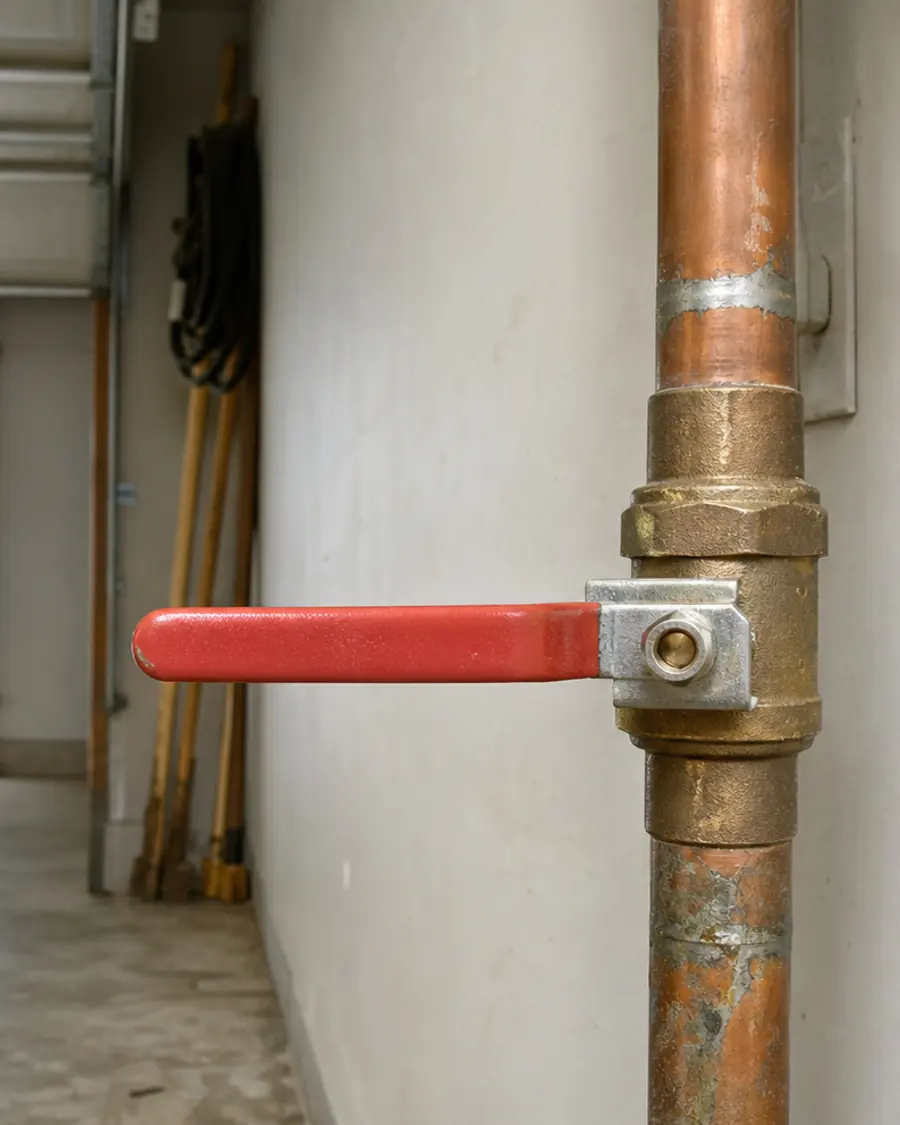
- Stop the water source immediately. Turn off the supply valve or shut off your main line.
- Remove standing water with towels, a wet/dry vacuum, or a mop. Don’t let it sit.
- Pull up any rugs or movable items from the wet area. Get them outside to dry.
- Set up fans and open windows. Air circulation is your friend in Henderson’s dry climate.
- Run a dehumidifier if you have one. Even in our low-humidity desert air, enclosed spaces trap moisture behind walls and under cabinets.
- Check behind baseboards and under flooring edges. Water travels farther than you think.
That last step trips people up constantly. We see this mistake all the time. A homeowner mops up the visible puddle, calls it done, then finds mold growing behind the drywall six weeks later. Water wicks into materials you can’t see from the surface.
Where DIY Cleanup Works
Small spills on tile or sealed concrete are the easiest wins. Think bathroom overflows caught quickly, a dishwasher leak on a kitchen floor, a burst ice maker line in a Water Street District condo. If the water stayed on a hard surface and didn’t reach carpet, padding, or drywall cavities, you’re in good shape.
A few conditions need to be true for DIY to work:
- The affected area is smaller than a standard bathroom (roughly 40 square feet)
- Water sat for less than 24 hours
- No water reached wall cavities, subfloor layers, or HVAC systems
- The source was clean water only
If all four boxes check out, grab your fans and get to work.
The Catch Most People Miss
Here’s the thing. You don’t own a moisture meter. Most homeowners don’t. Without one, you’re guessing whether materials dried. A wall can feel dry to the touch while holding 30% moisture content deep inside. That’s a mold problem waiting to happen.
I’ve walked into Henderson homes where the owner did everything right on the surface. Mopped up fast, ran fans for days, even pulled back some carpet. Behind the vanity cabinet? Soaked drywall. Under the tack strip? Wet subfloor. The visible cleanup looked fine. The hidden damage told a different story.
So yes, you can handle minor clean-water incidents yourself. If you’re unsure whether moisture is hiding somewhere you can’t reach, that’s when it makes sense to connect with Henderson water damage restoration professionals who carry the right detection equipment. A quick moisture reading can confirm your DIY work finished the job.
And if the water came from anywhere other than a clean supply line? Skip the DIY route entirely.
Signs Your Water Damage Has Moved Beyond DIY
Here’s the truth most people don’t want to hear. By the time you notice certain signs, DIY water damage restoration stopped being an option days ago.
I’ve walked into homes in Henderson where the homeowner thought they had a small leak under the kitchen sink. They mopped it up, ran a fan for a day, and figured they were good. Two weeks later, the baseboards started buckling. That’s when they called us. By then, moisture had traveled through the subfloor and into the wall cavities on both sides of the room.
Visual Red Flags You Shouldn’t Ignore
Some signs are obvious. Others hide behind drywall. If you spot any of these, your water damage has likely moved past what a shop vac and some towels can fix:
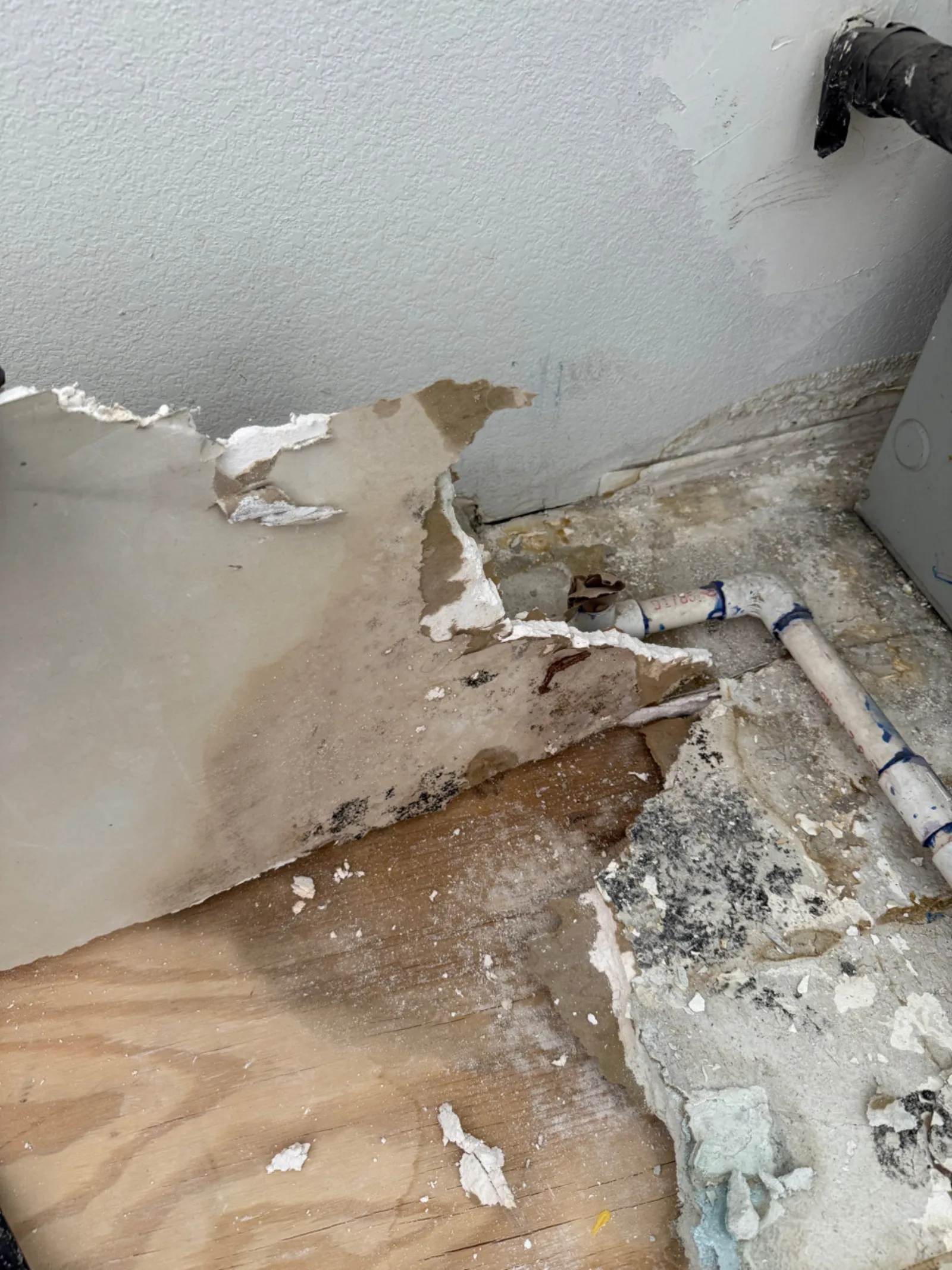
- Bubbling, warping, or peeling paint on walls or ceilings
- A musty smell that won’t go away after cleaning
- Soft or spongy spots in flooring or drywall
- Visible mold growth in any color, even small patches
- Discoloration that keeps spreading or returning
That musty smell is a big one. Most people don’t realize this until it’s too late, but odor means moisture is trapped somewhere you can’t see. A fan won’t reach it. A dehumidifier alone won’t solve it.
What Moisture Meters Reveal
Professional restoration crews use moisture meters and thermal imaging cameras for a reason. Water follows gravity and capillary action. It moves sideways through drywall. It pools under vinyl plank flooring without any visible trace on the surface.
Can you see behind your walls? No.
We regularly find moisture readings above 20 percent in materials that look completely dry to the naked eye. According to the Institute of Inspection, Cleaning and Restoration Certification, materials need to reach their dry standard before restoration is complete. Without proper measurement tools, you’re guessing.
The Mold Timeline
Mold can begin growing within 24 to 48 hours of water exposure. The Environmental Protection Agency confirms this timeline. In Henderson’s desert climate, people assume low humidity protects them. It doesn’t, not when water is trapped inside a wall cavity or under cabinets. That enclosed space creates its own microclimate.
So if your water damage happened more than two days ago and you haven’t verified everything is dry with instruments, mold growth is a real possibility. DIY water damage restoration can’t address what you can’t confirm.
Structural Concerns That Demand Pros
Water-damaged drywall loses its structural integrity fast. Particle board swells and crumbles. OSB subfloor delaminates. These aren’t cosmetic problems you patch over.
We see this mistake all the time in older neighborhoods near Water Street and downtown Henderson. Homes built in the 1980s and 1990s often have materials that absorb water quickly and don’t dry well on their own. If you’re pressing on a wall and it gives, that section likely needs to come out.
And here’s what catches people off guard. Insurance documentation matters. If you attempt DIY water damage restoration on a claim-worthy event without proper moisture readings, photos, and scope notes, your claim can get denied. Professional crews document everything from day one, moisture maps, equipment placement logs, daily readings. That paper trail protects you.
If you’re seeing any of these signs in your home, it’s worth getting a professional assessment before the damage spreads further. Our water damage restoration page walks you through exactly what that process looks like.
Water still spreading? Every hour it sits, the repair gets bigger.
Quality 1st Restoration answers 24 / 7 / 365 across Henderson and the Las Vegas Valley.
888-453-3591